
When you become a parent or caregiver, you take on many roles including protector, nurturer, teacher, and sometimes, first responder. In emergencies involving infants and young children, seconds matter. That’s why CPR (Cardiopulmonary Resuscitation) is a vital skill that can make all the difference. At Big Hearts, Little Hands, we believe that every parent and early childhood educator should feel empowered to act confidently and quickly in a life-threatening situation.
Real-Life Example: A Parent’s Quick Action Saved a Life
A mother in Ohio was preparing dinner while her 10-month-old played nearby. Within seconds, the baby began choking on a small toy that had rolled under the couch. Thanks to a CPR class she had taken just a month before, the mother immediately sprang into action, using back blows and chest compressions for infants. Her baby began breathing again before paramedics arrived.
She later told reporters, “Without that CPR training, I would’ve frozen. I’ll never forget what I learned—and I’m just so grateful I knew what to do.”
Why CPR Training Is So Important for New Parents
Infants and toddlers are particularly vulnerable to emergencies like:
- Choking (especially while eating or mouthing small objects)
- Drowning (even in just a few inches of water)
- Allergic reactions or breathing complications
- Sudden cardiac arrest, though rare, can occur from undiagnosed heart conditions
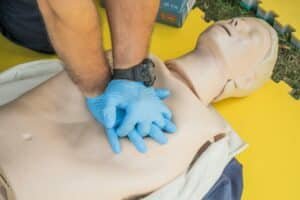

According to the American Heart Association:
- Nearly 70% of cardiac arrests happen at home.
- More than 7,000 children suffer from cardiac arrest each year in the U.S.
- Effective bystander CPR can double or triple a person’s chances of survival.
New parents who complete an infant CPR course are better prepared to respond to these emergencies calmly and effectively. And the training isn’t just about compressions; it also covers how to handle choking, breathing issues, and when to call for help.
CPR Certification: A Requirement for Early Childhood Teachers
At Big Hearts, Little Hands, we take child safety seriously. That’s why all our educators are required to maintain current CPR and First Aid certification. This isn’t just a best practice but it’s a legal requirement for licensed childcare providers.
Here’s what our training includes:
- Infant and child CPR techniques
- Use of AED (automated external defibrillator) devices
- Choking response and basic first aid
- Hands-on practice scenarios to ensure readiness under pressure
Staff are recertified regularly to stay current with guidelines from trusted organizations like the American Red Cross and American Heart Association.
Where Can Parents and Caregivers Learn CPR?
Many organizations offer affordable, accessible CPR training for parents, caregivers, and educators. Look for classes that include infant and child-specific instruction.
Top places to get certified:
- American Red Cross
- American Heart Association
- Local fire departments or EMS centers
- Hospitals and birthing centers
- Community colleges or parenting centers
Many courses now include online options with in-person skill check sessions that make it perfect for busy families.
Why It’s Worth It
Learning CPR isn’t just checking a box. It’s gaining the knowledge and confidence to protect your child or a child in your care.
Benefits of CPR training include:
- Peace of mind for parents and caregivers
- Empowered, prepared teachers and staff
- Stronger community safety and emergency readiness
- Fewer delays in life-saving care during an emergency
Even if you never have to use it, CPR training is a lifelong skill that gives you the power to save lives.
At Big Hearts, Little Hands, we strive to create a safe, nurturing environment that supports every child’s growth. But we also believe in preparing families to be safe at home and in public. CPR is a gift you give your child. This is a skill rooted in love, readiness, and responsibility. Whether you’re expecting your first baby, parenting a toddler, or guiding little ones in the classroom, CPR training is a small investment that can make a world of difference.